Powell River Top General Contractor for Home Improvement Projects
Powell River Top General Contractor for Home Improvement Projects
Blog Article
General Contractor: Your Recommended Contractor for Home Improvements
A general contractor performs an important role in home projects. They coordinate numerous aspects of construction, making sure that operations proceed smoothly. Their expertise in building codes and requirements allows them to navigate the complexities of authorizations and inspections. This skilled professional acts as an important connection between homeowners and subcontractors. Yet, many homeowners remain uncertain about the entire scope of their services. Learning about these details can greatly affect the achievement of any renovation undertaking.
What Does a General Contractor Do?
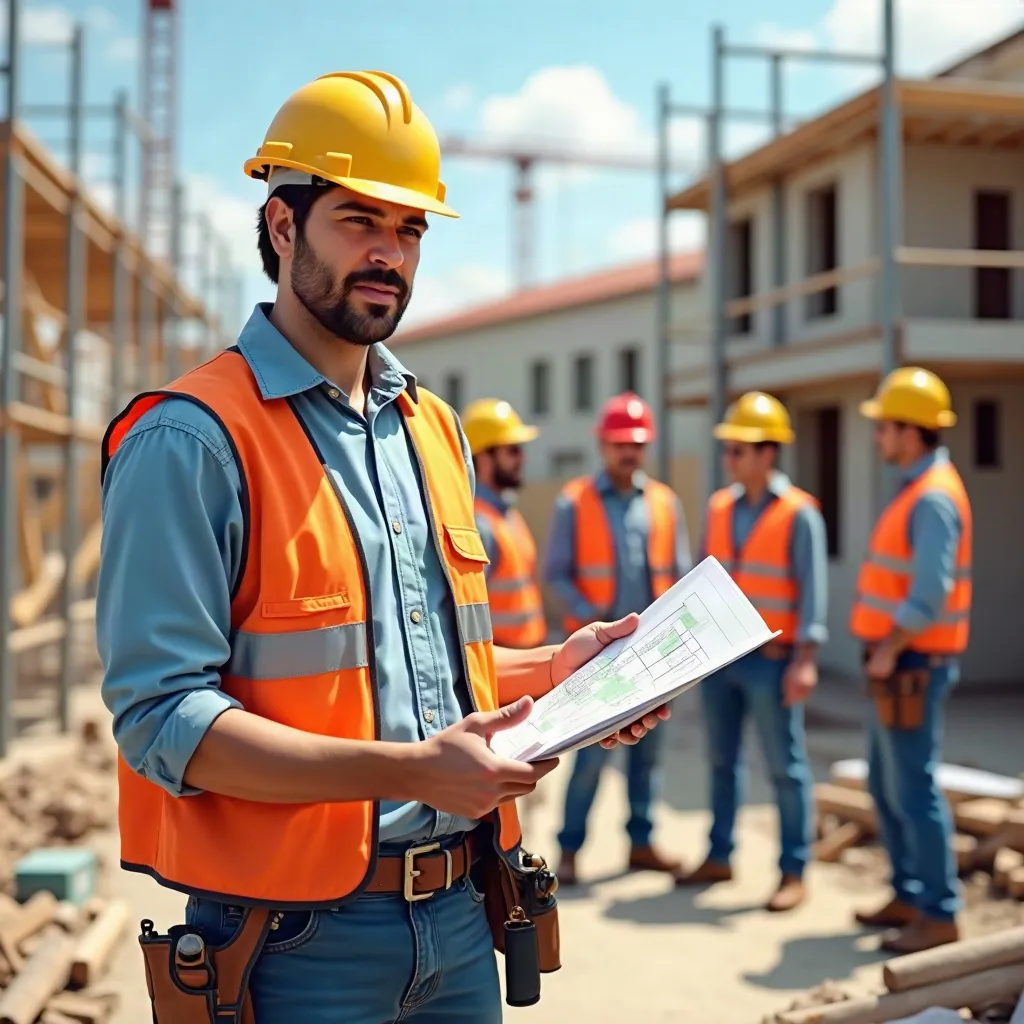
A general contractor manages the multiple aspects of a construction project, making certain that operations proceed without interruption from initiation to completion. They serve as the primary point of contact, handling communication between clients, subcontractors, and suppliers. This role involves planning the work schedule, coordinating labor, and verifying compliance with local building codes and regulations.
General contractors are responsible for obtaining necessary permits and scheduling inspections, which are vital for upholding safety and quality benchmarks. They also manage budget planning, material procurement, and overseeing site operations to mitigate any potential delays or issues. In addition, they oversee subcontractors, ensuring that each phase of construction conforms to project specifications and timelines. Overall, a general contractor's knowledge and management abilities are essential to completing a successful construction project, turning a client's vision into reality while balancing multiple tasks and responsibilities.
Using a skilled builder for property remodeling offers numerous advantages that can substantially enhance the efficiency and quality of the project. General contractors deliver expertise in overseeing projects, ensuring timelines are met and resources are allocated effectively. Their strong relationships with trade specialists can lead to competitive rates and superior workmanship, which ultimately helps property owners time and money.
Furthermore, project managers handle the intricate details of permits and inspections, limiting potential legal issues. They also supply a one main contact, simplifying communication and coordination among various trades. This consolidation reduces the likelihood of errors and postponements.
Additionally, their expertise lets them to identify looming difficulties, enabling quick fixes to stay on track the project on schedule. By bringing on a general contractor, homeowners can concentrate on their vision while enjoying peace of mind, assured that a professional is handling every aspect of the renovation.
Refuting Common Myths About General Contractors
Although many homeowners may have misunderstandings about general contractors, grasping the facts can lead to more wise decisions. A common myth is that hiring a general contractor is not essential for small projects; still, their proficiency can ease even minor renovations, ensuring conformance with local codes. Another typical belief is that contractors are just middlemen, but they often have comprehensive knowledge in different fields, allowing them to manage projects efficiently. Moreover, some clients assume that working with a contractor will greatly raise costs. In reality, a skilled general contractor can often obtain better pricing for materials and labor through established relationships with vendors and subcontractors. Lastly, many think that contractors are inflexible, but trusted contractors focus on client communication and work closely to satisfy particular needs. Clearing up myths can empower homeowners to harness the actual value of contractors when completing positive home projects.
Finding the Perfect General Contractor?
How can property owners guarantee they select the right construction professional for their projects? The process begins with thorough research. Homeowners should seek suggestions from friends, family, and online reviews to identify qualified contractors. Once a compilation is compiled, confirming credentials, such as licensing, bonding, and insurance, is essential to confirm legitimacy.
Next, homeowners should solicit and assess portfolios of prior projects, focusing on projects similar in scope. Setting up interviews allows property owners to gauge compatibility, discussing deadlines, finances, and goals. It's also advisable to gather multiple bids for comparison, delivering a transparent view of pricing.
Verifying references offers understanding of a contractor's competence and integrity. Ultimately, relying on your gut feeling is essential; an opening discussion can uncover a contractor's communication style and approach. By implementing these procedures, homeowners can significantly boost their likelihood of picking a general contractor who suits their requirements and aspirations.
Effective Communication Strategies With Your General Contractor
What approaches can homeowners utilize to confirm strong dialogue with their general contractor? Establishing open dialogue from the beginning is necessary. Homeowners should clearly articulate their goals, project objectives, and budget constraints during initial discussions. Frequent communications can be promoted through arranged conferences, confirming that both parties remain synchronized throughout the project.
Applying written documentation, such as project documentation and emails, strengthens spoken commitments and minimizes confusion. Homeowners should likewise encourage transparent dialogue by inviting input and feedback from the contractor, fostering a cooperative setting.
In addition, tapping into technology, such as project management apps, can refine communication by presenting a core interface for sharing updates, timelines, and changes. Finally, being respectful and approachable can enhance rapport, enabling it less difficult for the contractor to articulate challenges or suggestions in an effective manner. By utilizing these solutions, homeowners can create a productive and transparent bond with their general contractor.
What to Prepare For When Your Undertaking Launches?
When the initiative commences, homeowners should prepare for a wave of movement on-site. The construction manager will supervise groups of qualified craftspeople, including electricians, plumbers, and carpenters, who will commence their labor based on the established timeline. Homeowners may observe large equipment and supplies being transported, producing a bustling setting.
Clear dialogue is crucial during this stage. The contractor will inform progress updates and resolve any issues that surface. Homeowners should prepare for possible interruptions, such as noise and limited entry to certain areas of the home.
Safety precautions will be in place to protect both workers and residents, providing a secure atmosphere. Additionally, homeowners may be urged to maintain flexibility, as unforeseen issues can arise, demanding adjustments to the original plan. Overall, this initial phase sets the stage for the successful completion of the project, and active engagement is essential.
Important Questions for Your Main Contractor Deal?
Deciding which inquiries to raise when completing a general contractor agreement is critical for guaranteeing a trouble-free project. Homeowners should ask about the contractor's permit and insurance to verify their qualifications and protection against liabilities. Understanding the project deadlines and goals is crucial; therefore, asking about projected completion dates helps manage expectations.
It is also vital to define financial conditions, comprising deposit amounts and installment plans, to avert miscommunications. Homeowners should seek a thorough accounting of costs, encompassing materials and labor, to assure openness. Moreover, deliberating the process for dealing with changes or unexpected complications can thwart conflicts afterwards.
Lastly, property owners must seek information about subcontractors and their qualifications, as well as the contractor's communication strategy throughout the project. By tackling these inquiries, homeowners can foster a productive relationship with their general contractor, ultimately resulting in a successful home project.
Frequently Posed Questions
How Do General Contractors Charge for Their Services?
General contractors commonly bill through fixed fees, hourly pricing, or a percentage of the total project cost. Their fee structure may further encompass supplies needed, human resources, and indirect costs, depending on the project's complexity and scope.
Can a General Contractor Give Assistance With Requirements and Inspections?
Yes, a general contractor can help with securing permits and overseeing inspections. They typically navigate local regulations and guarantee adherence, streamlining the process for homeowners while enabling necessary authorizations throughout the construction project.
What Skills Should I Find in a General Contractor?
When identifying a building contractor, one should consider qualifications such as licensing, proper insurance coverage, experience in relevant projects, quality references, and effective communication skills, ensuring they exhibit the requisite proficiency to manage the project successfully.
How Much Time Does a Common Home Renovation Project Need?
A standard home remodeling undertaking can take access now anywhere from a few weeks to several months, based on the scope, intricacy, and size of the project, as well as the accessibility of materials and labor.
What Happens if My Assignment Overshoots Spending Cap?
If a project goes over budget, the builder typically discusses the causes and alternatives with the property owner. Adjustments may consist of scaling back, obtaining more funds, or revising the project scope to match financial limits.
Report this page